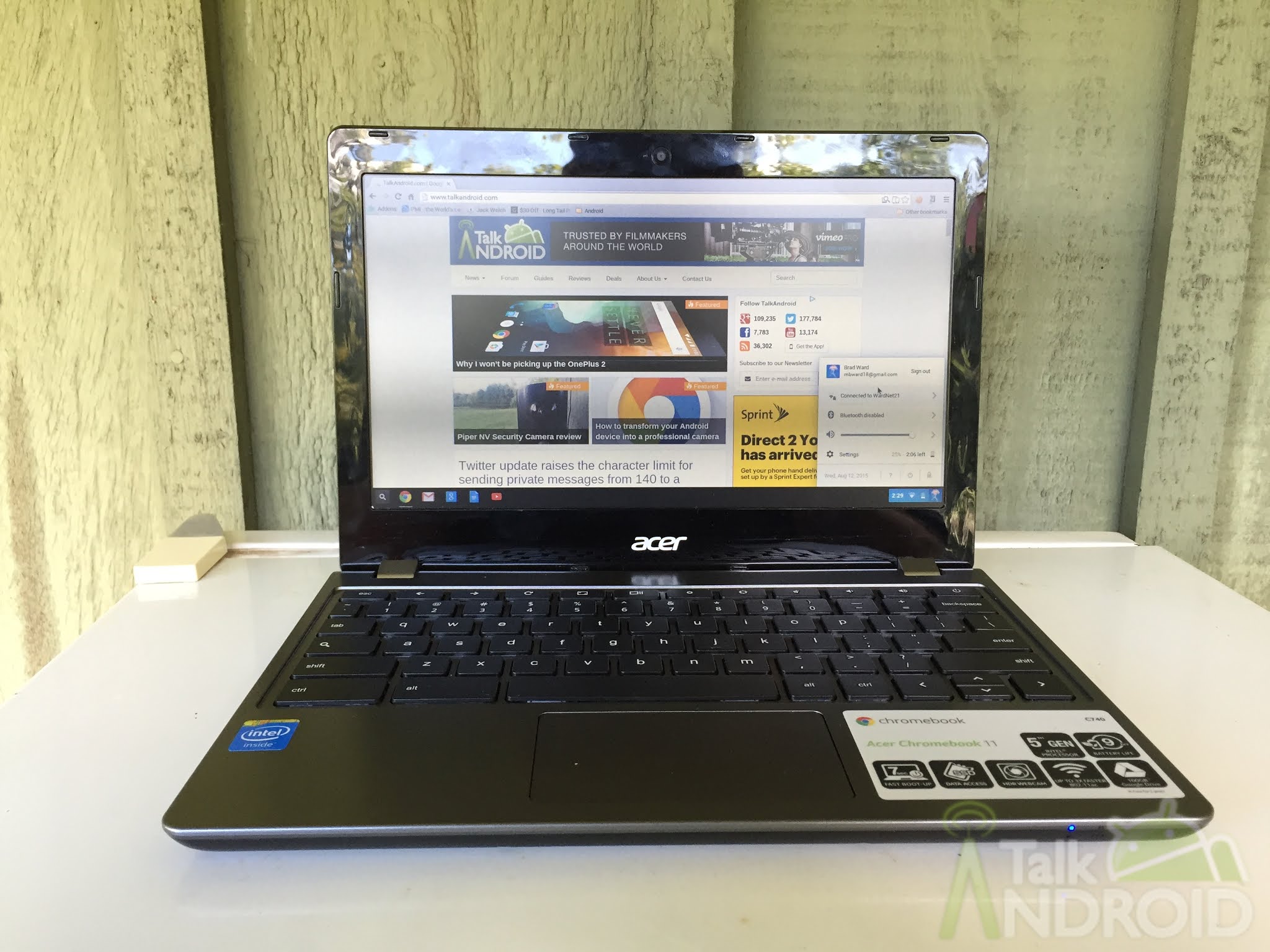
Alas, my beloved Acer C740 Chromebook reaches end of life on June 2021. Of course, when the notice popped up, I got a bit excited. What might happen if I were to load GNU/Linux on it, and wipe Chromebook’s existing operating system away?
I’ve explored this topic in the past. I took some time to reflect on Doug Blue Skunk Johnson’s blog entry, Not Missing My Mac, where he writes:
As a former tech director, I often observed that it was not the lack of features in a technology or computer program that people struggled with, but with too many confusing choices. The drop down menu on Microsoft Word, the system updates, the virus protections, and the printer configurations on regular PCs created great job security for technicians, but I don’t think they ever helped the educators with whom I worked be more productive.
Now that my Chromebook is approaching end of life, I won’t be taking it with me on long trips. Of course, some might argue that having an obsolete Chromebook is the best. If you lose it, no great loss. After all, I got my money’s worth out of it! I remember buying it in 2015, and the darn thing has worked well. In fact, it’s traveled around the United States with me a few times. I almost took it to New Zealand in 2019, but, hey, I found a paper notepad worked fine to capture my ramblings. Or, a quick audio recording.
Do I really need a Chromebook now, with travel restrictions in place? Probably not. I have my trusty old, (obsolete) Dell running Bunsen Labs Linux to work on. While I won’t be carting it around anywhere, I can’t help but hope that the need for a Chromebook will arise again some day.
Everything posted on Miguel Guhlin’s blogs/wikis are his personal opinion and do not necessarily represent the views of his employer(s) or its clients. Read Full Disclosure
Discover more from Another Think Coming
Subscribe to get the latest posts sent to your email.
 Another Think Coming