When I was in second grade, on account of learning two languages, and having a terrible teacher who didn’t teach, I failed second grade. I ended up in summer school at Ft Clayton Air Force Base in Panama 🇵🇦 learning English phonics.
Note: The inexperienced teacher (Ms West) was replaced by a wonderful teacher, Ms. Tuñon, who was English and a joy to learn from and tutored me as well). I would love to tell Ms Tuñon what a wonderful teacher she was, but I never saw her again after second grade. How amazing our lives are, no? I hope it’s ok to name names but this was over 50 years ago in another country.
In summer school, I learned all about how to say words, sound them out, antonyms and homonyms and synonyms.
Then, in third grade, Ms Kane (she later became the principal of St Mary’s School in Panama City, Rep. of Panama) helped me even more with phonics. By 7th grade in the USA, I was an avid reader, who won all the spelling bees at the school.
By 8th grade, I wrote book reports that got me “A” every time. My math skills didn’t mirror my language skills. I often wish I had also spent a summer school focused on math too. 😂

It’s easy to imagine what a summer spent studying logic and philosophy would have yielded. Perhaps all of us need to study these fundamentals in childhood and maintain them in adulthood:
Andreas Schleicher, the head of education and skills at the O.E.C.D., told The Financial Times, “Thirty percent of Americans read at a level that you would expect from a 10-year-old child.” He continued, “It is actually hard to imagine — that every third person you meet on the street has difficulties reading even simple things.”
The percentage of fourth graders who score below basic in reading skills on the National Assessment of Educational Progress tests is the highest it has been in 20 years. The percentage of eighth graders below basic was the highest in the exam’s three-decade history.
This kind of literacy is the backbone of reasoning ability, the source of the background knowledge you need to make good decisions in a complicated world. (Source)
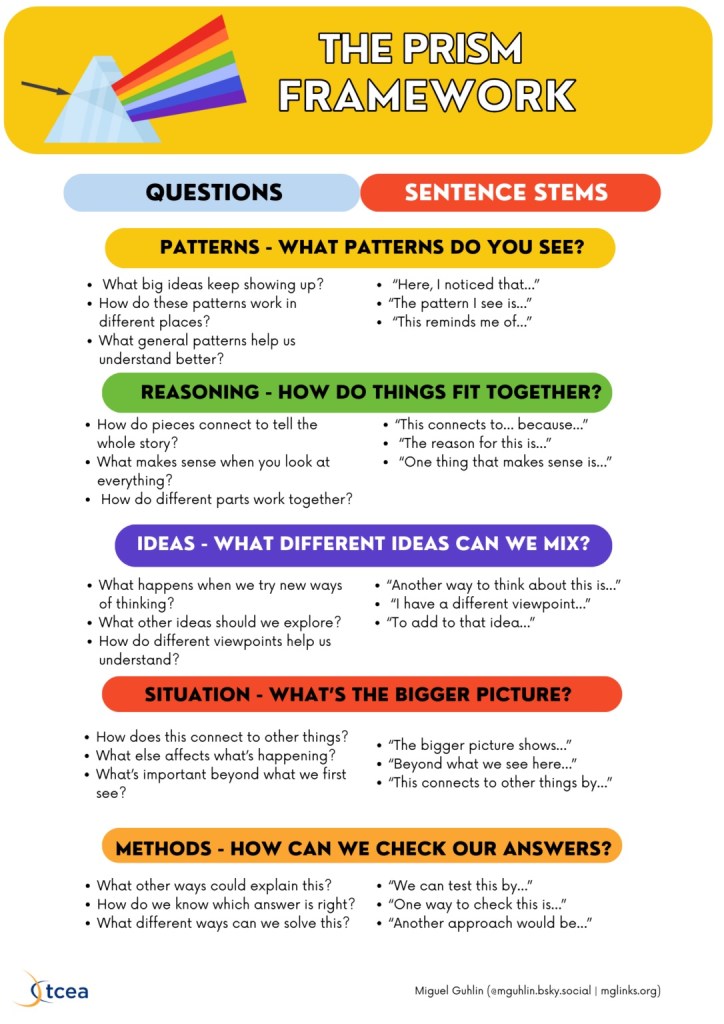
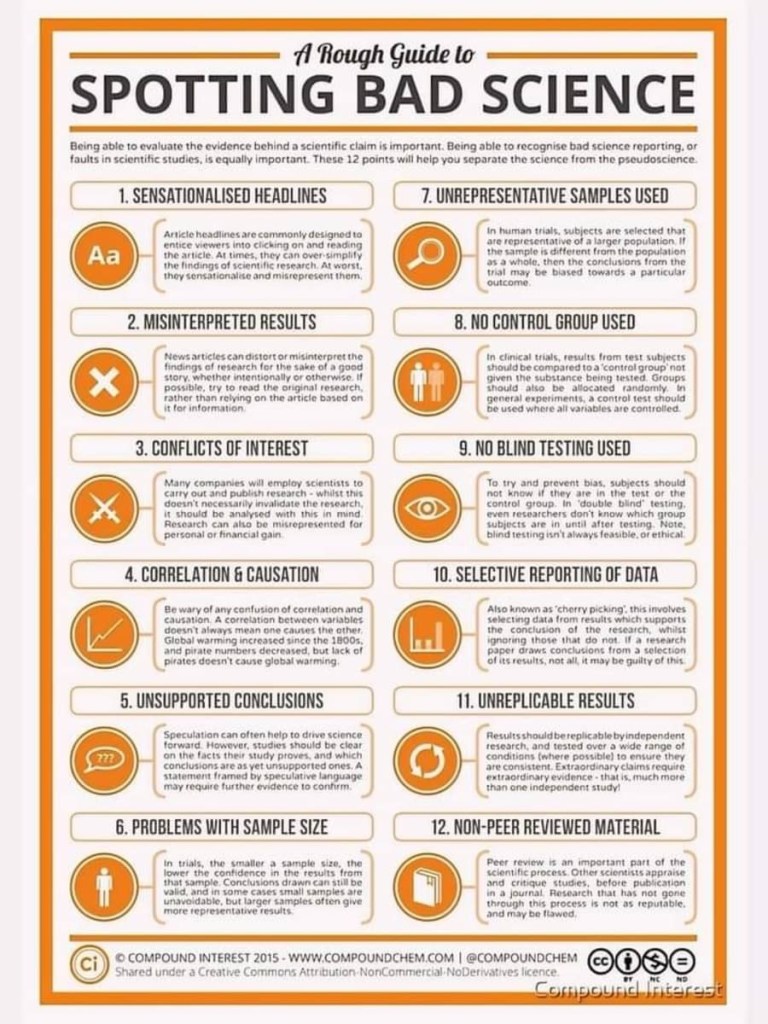
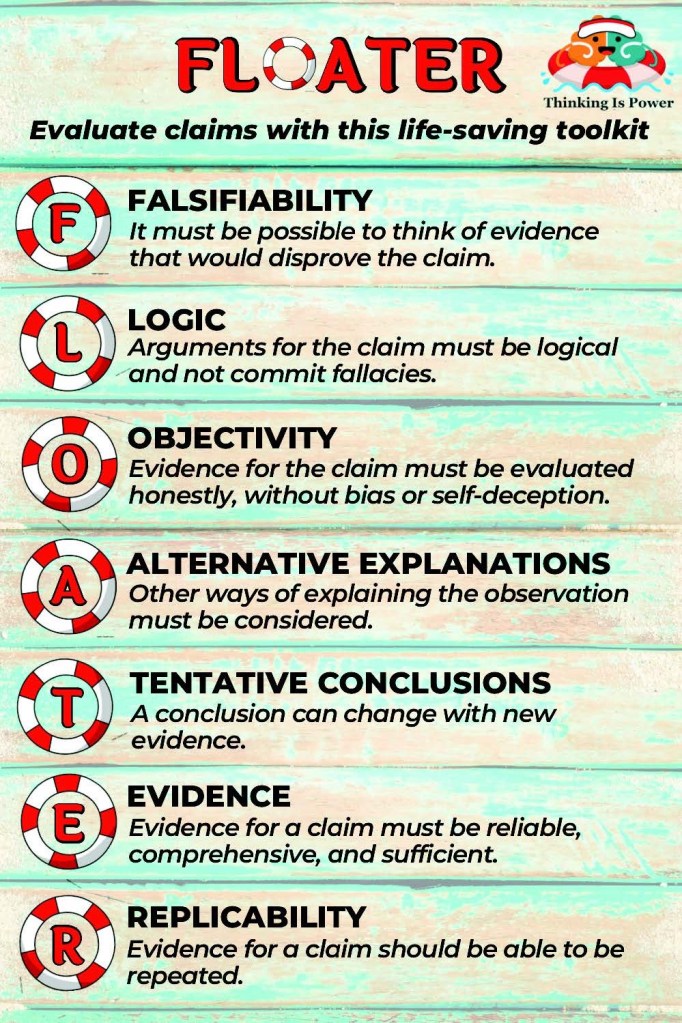
What seems obvious to some isn’t to others. What process do you follow when engaging in critical thinking? And how often do you do it?
Discover more from Another Think Coming
Subscribe to get the latest posts sent to your email.
 Another Think Coming