Do you change your mind in the face of fresh evidence? I’d like to say I do, but more often than not, it’s easier to ignore new evidence than try to discard old ideas and work on a new hypothesis for how things work. Still, it is the only sensible approach, no matter how painful.
That’s why the research on educational technology gets ignored…it’s easier to keep believing that putting technology in the hands of every child will magically result in learning. Or that their futures will be assured. Keep reading for more info on that.
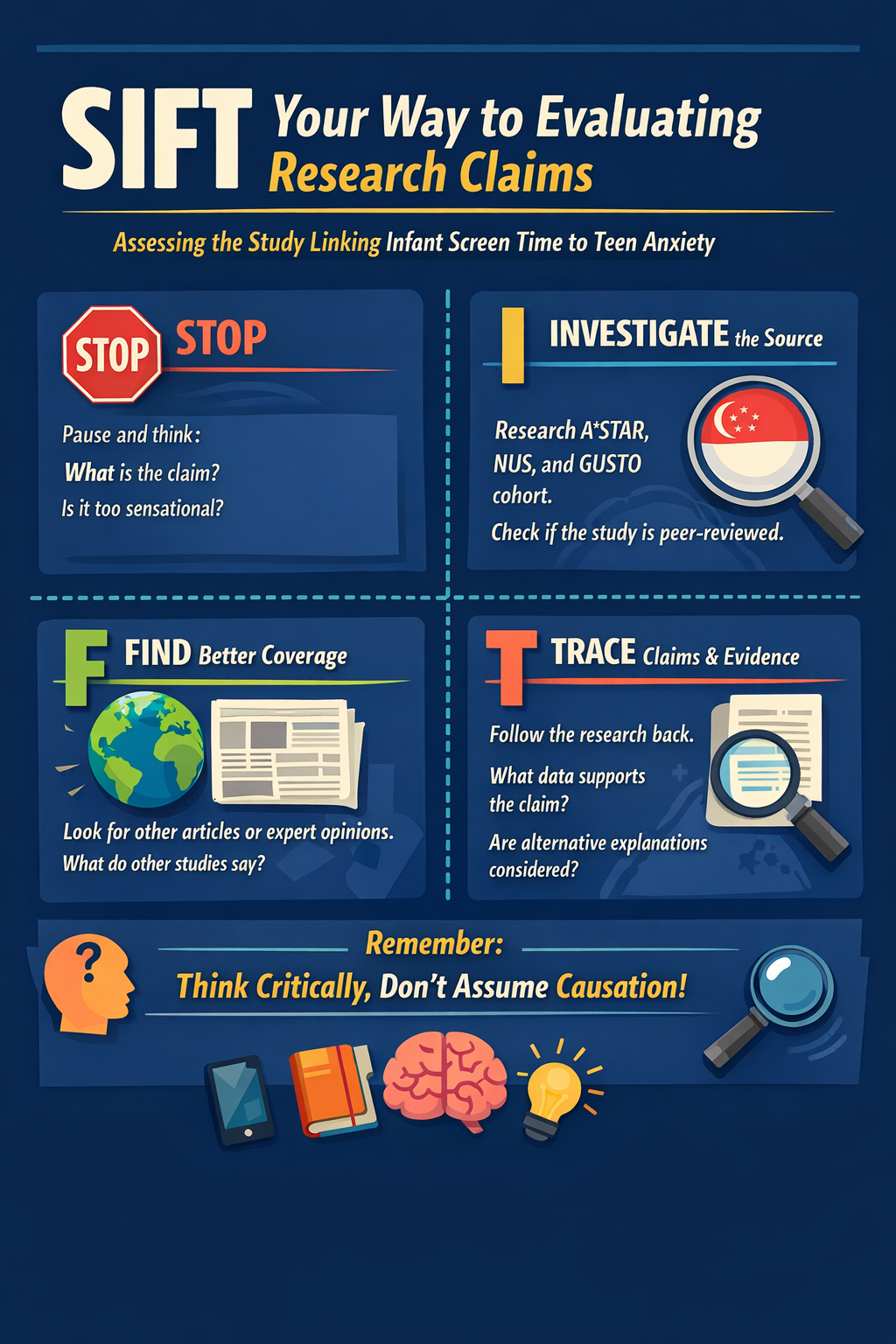
On Not Changing Your Mind
Do you imagine a part of yourself with a clipboard, constantly re-evaluating what you believe and think? It can be exhausting. But there are benefits from adopting a “Question everything” perspective.
[Jeff Bezos] said people who were right a lot of the time were people who often changed their minds. He doesn’t think consistency of thought is a particularly positive trait. It’s perfectly healthy — encouraged, even — to have an idea tomorrow that contradicted your idea today.
He’s observed that the smartest people are constantly revising their understanding, reconsidering a problem they thought they’d already solved. They’re open to new points of view, new information, new ideas, contradictions, and challenges to their own way of thinking. (source)
Whether you like Bezos or not, this is the same kind of thing you hear about scientists. Or really, anyone who’s engaging in critical thinking. I love how Melanie Trecek-King approaches this topic at her website, Thinking Is Power, and in her upcoming book, A Field Guide to Spotting Misinformation.
For now, let me drop this image here from Melanie’s work:
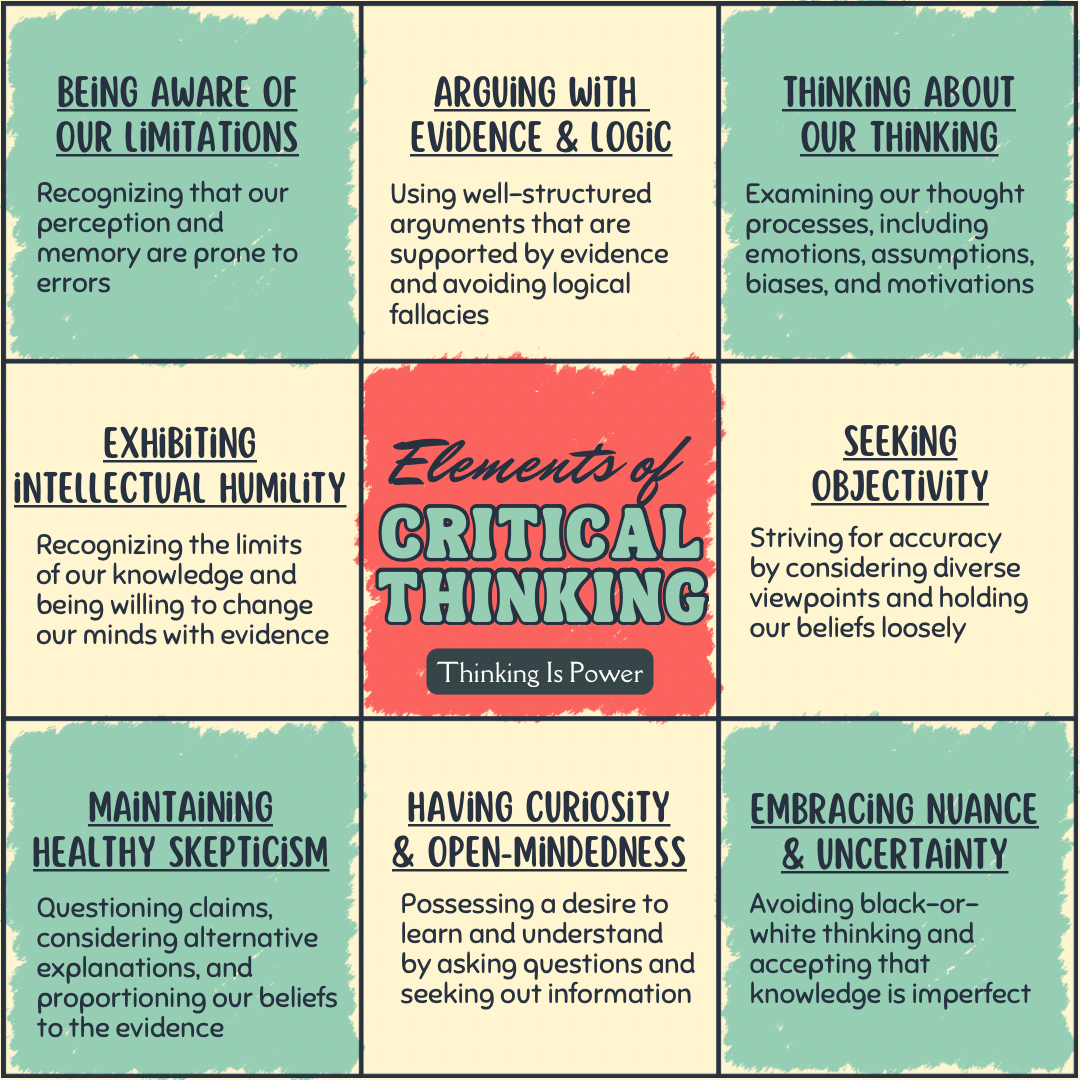
There’s so much to unpack in this image, and I’ll leave that for you to do on your own. I’m focused on the boxes that focus on:
- Exhibiting Intellectual Humility
- Maintaining Healthy Skepticism
One of the cool points Melanie makes is to ask ourselves, “What’s the scientific consensus on [a particular topic]?” It’s a question I ask every time I see a hair growth commercial (I’m bald now) or memory (such as Prevagen) aid drug. I’ll reach for Gen AI and ask the chatbot…and the answer is usually disappointing. That’s why I’m not surprised at my disappointment with Ed Tech.
Wait, I thought This was About Ed Tech
Every few weeks, or months really, we see a headline like this one, TOO MUCH SCREEN TIME TOO SOON? A STAR STUDY LINKS INFANT SCREEN EXPOSURE TO BRAIN CHANGES AND TEEN ANXIETY. That’s problematic. We have one study, and I have to wonder, “What’s the scientific consensus on screen exposure?”
A study by a Singapore government agency has found that children exposed to high levels of screen time before age two showed brain development changes linked to slower decision-making and higher anxiety in adolescence, adding to concerns about early digital exposure (via Slashdot, 12/30/2025)
You can read the press release online, but if we apply FLOATER (Melanie Trecek-King’s acronym, learn more about it here):
| Acronym Letter | Criterion | Assertion | Score / Evaluation |
|---|---|---|---|
| F | Falsifiability | The claim is testable via longitudinal brain scans and behavioral data. | 9/10 — Strong |
| L | Logic | Generally logical, though media coverage could oversell causality. | 7/10 — Moderate |
| O | Objectivity | Conducted by credible public research institutions. | 9/10 — Strong |
| A | Alternative Explanations | Parenting and environment acknowledged; more depth could help. | 8/10 — Good |
| T | Tentative Conclusions | Cautious language used; avoids overstatement. | 9/10 — Exemplary |
| E | Evidence | Peer-reviewed, longitudinal, multi-modal data. | 8.5/10 — Robust |
| R | Replicability | Methods transparent; not yet replicated. | 7/10 — Acceptable |
Verdict: This study is a credible, well-supported preliminary investigation into the long-term impacts of infant screen time. It should be taken seriously but not interpreted as conclusive proof of causation.
With this assessment in mind, should Ed Tech advocates, both individuals and organizations, reconsider their full-throated, whole-hearted endorsement of technology in schools? Wouldn’t the money spent on K-12 ed tech be better spent on professional learning for teachers, implementation of instructional coaches (given how effective that approach is), and ensuring a safe, nurturing environment (you know, protecting students from active shooters and providing children with breakfast and lunch)?
That’s not to say that technology is always wrong or a consistent disappointment. I wish we could revisit the whole question of technology and how we approach it in schools, shoving Big Tech out of schools.
More Info
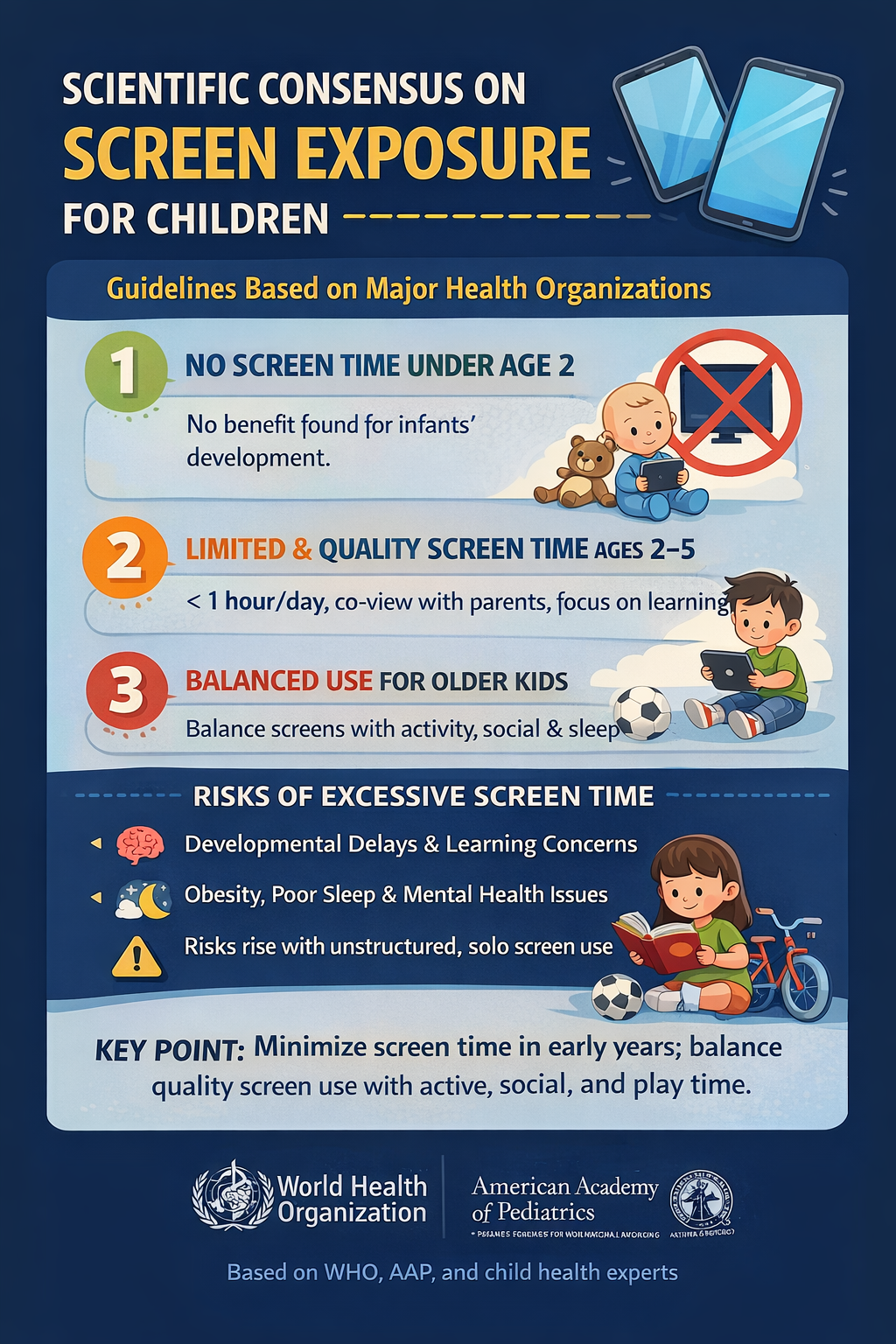
Experts agree that
- Infancy and early childhood are critical developmental periods where screen exposure should be minimized.
- Excessive or unstructured screen time is associated with potential risks across cognitive, social‑emotional, sleep, and physical outcomes.
- Balanced, mindful use — focusing on quality, interaction, and age‑appropriate boundaries — is what current evidence and guidelines support.
Where I’m At Today
“Why don’t you allow your child to play online games?” That’s a question I asked a colleague many years ago when I was an instructional tech director. I was thinking about my own children, and how I wanted them to play strategy games (as opposed to my first-person shooters) as a way to grow. Was my colleague’s disciplined approach to ed tech access for her young child wrong or right? It appears she was right, and I was wrong.
I can now state that, as far as I can tell, my children turned out OK. Was that in spite of early screen time (5 years of age)? Of course, now, children are given tablets and phones at much earlier age. As evidence mounts, the more I lean away from using technology prematurely in schools.
Consider the SOLO Taxonomy. There are certain levels of the taxonomy where technology use actually denies students the opportunity to develop learning and long-term information retention activities they need to engage in. But we insist on running kids through so many technologies…doesn’t it make sense that too much of a good thing becomes a bad thing?
There has to be balance…and right now, it’s all skewed in the wrong direction (too much Gen AI, too much Ed Tech, all of it expensive and not enough focus on what we know works).
Discover more from Another Think Coming
Subscribe to get the latest posts sent to your email.
 Another Think Coming