Need a way to teach critical thinking and problem-solving? Learn to tackle problems and make decisions. This session, through the application of the Jigsaw Method (3-step), offers strategies to assess ideas and arguments. Discover resources to teach middle schoolers about fact-checking and critical thinking. You also get access to an AI Bot to assist you.
“In a jigsaw activity students are reading new information, discussing it with others who have read the same thing to extend their understanding.
Then, moving to new groups where they teach peers about what they read and learn new information from group members.” – John Hattie, Mindshift
Why Use The Jigsaw Method?
The jigsaw technique is a method of organizing classroom activity that makes students dependent on each other to succeed. It breaks classes into groups and chunks assignments into pieces that the group assembles to complete the (jigsaw) puzzle. The Jigsaw Method enjoys an effect size of 0.92. This makes it an effective instructional strategy that has the potential to accelerate student learning when used routinely and in a consistent manner.

Instructions for This Activity
✅ Step 1: Home Groups — Get Ready to Learn
- Form your Home Group: Join a group of 6 people.
- Number off 1 to 6: Each person gets a different number.
- Get your content chunk: Based on your number, you’ll be responsible for learning one part of the lesson and later teaching it to your group.
Content Chunks
- FLOATER: A Tool-Kit for Evaluating Claims
- TCEA Responds: Science Denial, Flat Earth, and the Power of Questioning
- Combatting Pseudoscience and PseudoScience Creation
- Examples for Teaching with Fake News and Pseudoscience
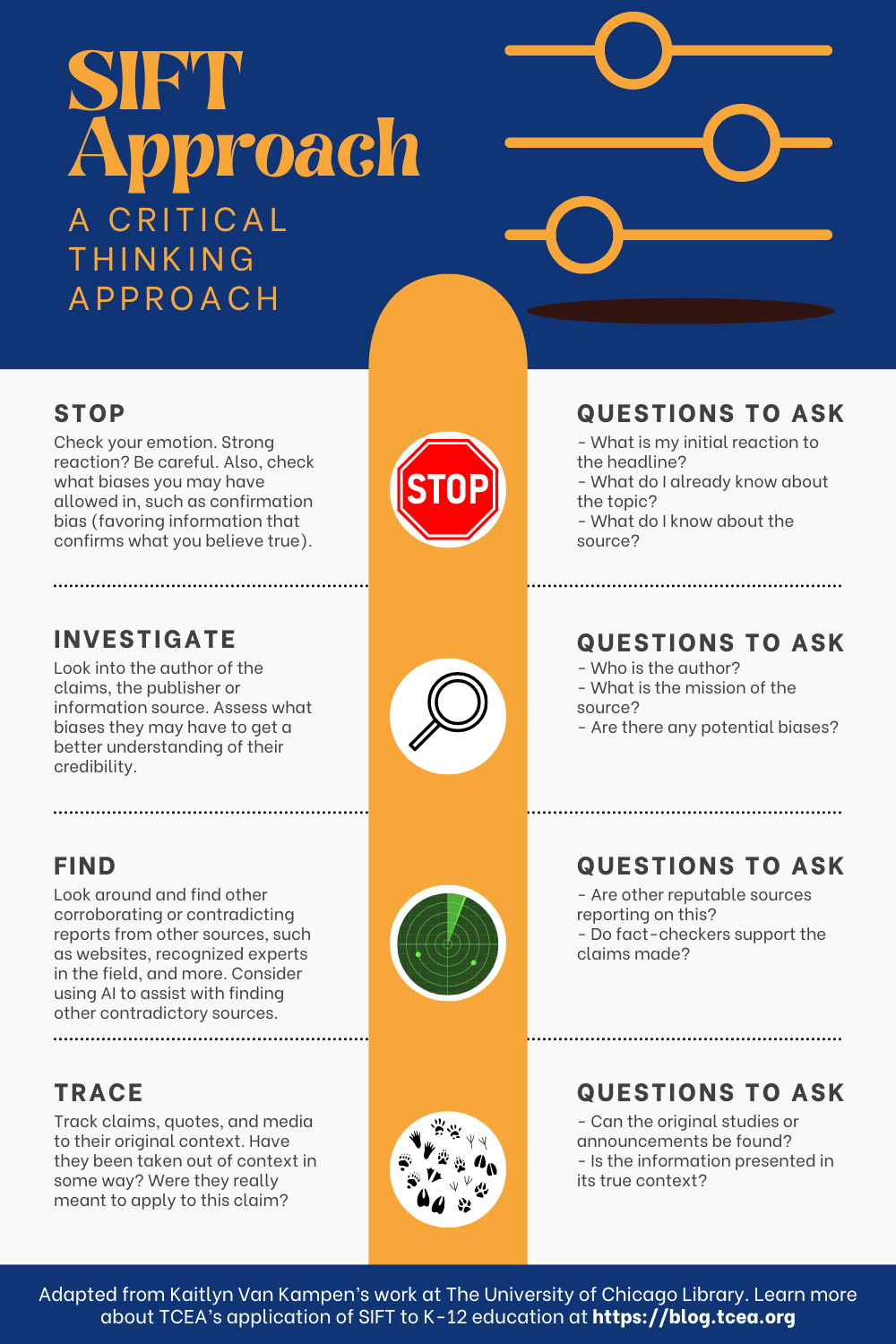
- SIFTing Through the Noise with Skilled Curiosity
- A SIFT Lesson Plan: Critical Skills for Navigating Media
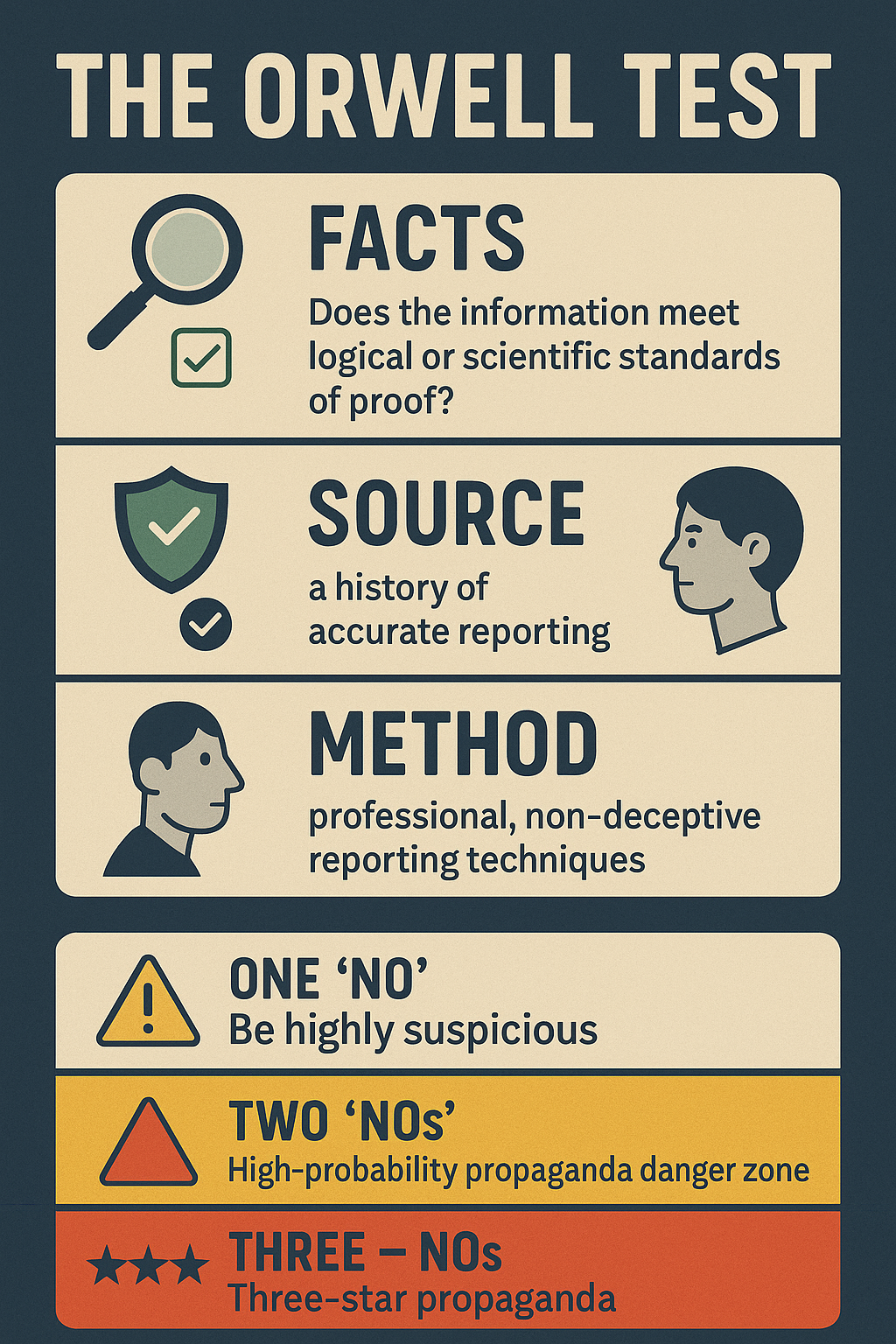
- Bonus: The Orwell Test
✅ Step 2: Expert Groups — Dive Into Your Topic
- Find your Expert Group: Join others with the same number.
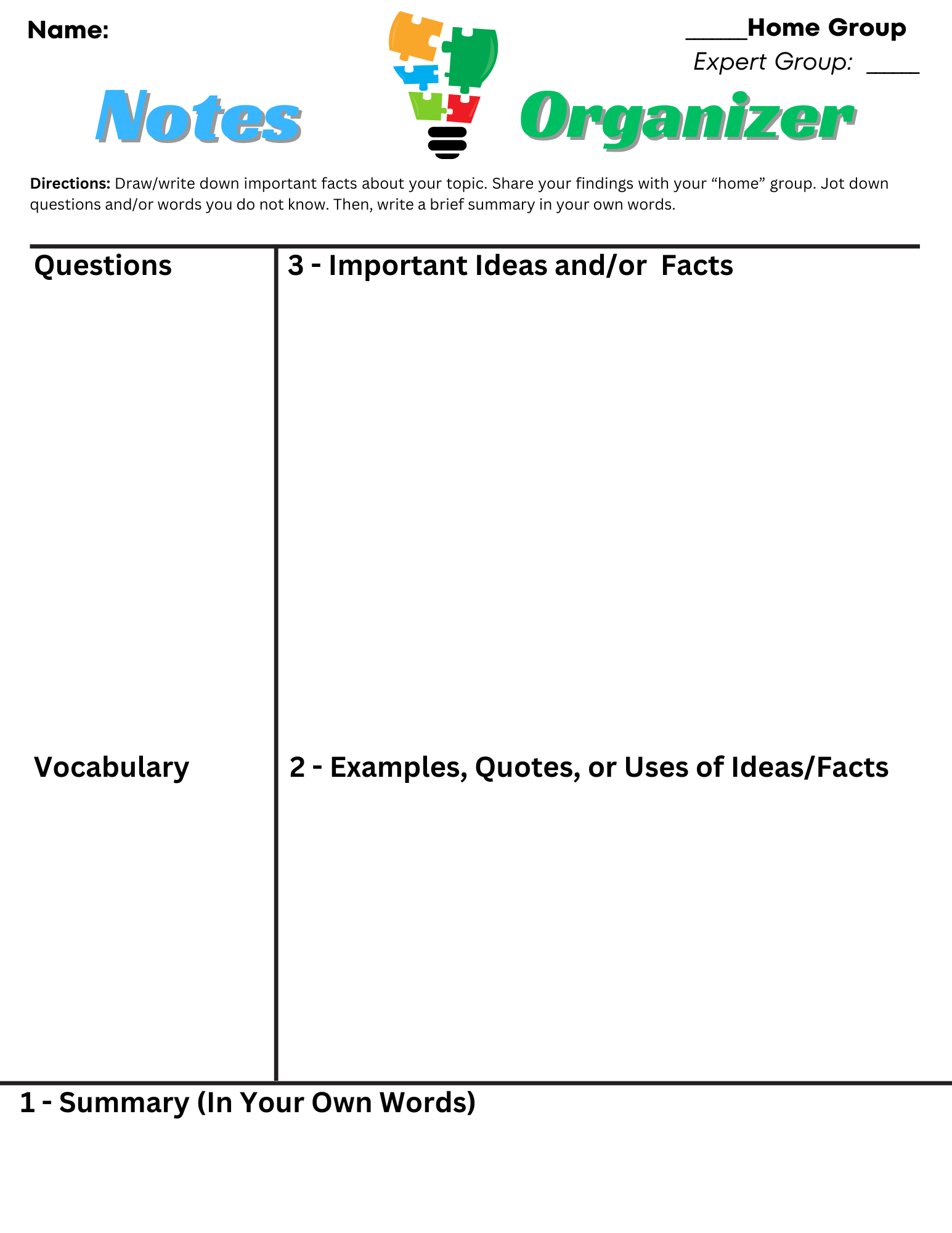
- Study together: Spend about 8 minutes learning your topic. Use the Jigsaw Notes Organizer (Page 1) to jot down:
- 3- Key ideas or Facts
- 2- Must-know facts, examples or quotes
- 1- Write about it in your own words
Discuss ideas, opinions, thoughts in your expert group. You will have 2 minutes to share back to your home group, so ask others, “How and what should we share? What’s key?”
✅ Step 3: Back to Home Groups — Teach What You Know
- Return to your Home Group.
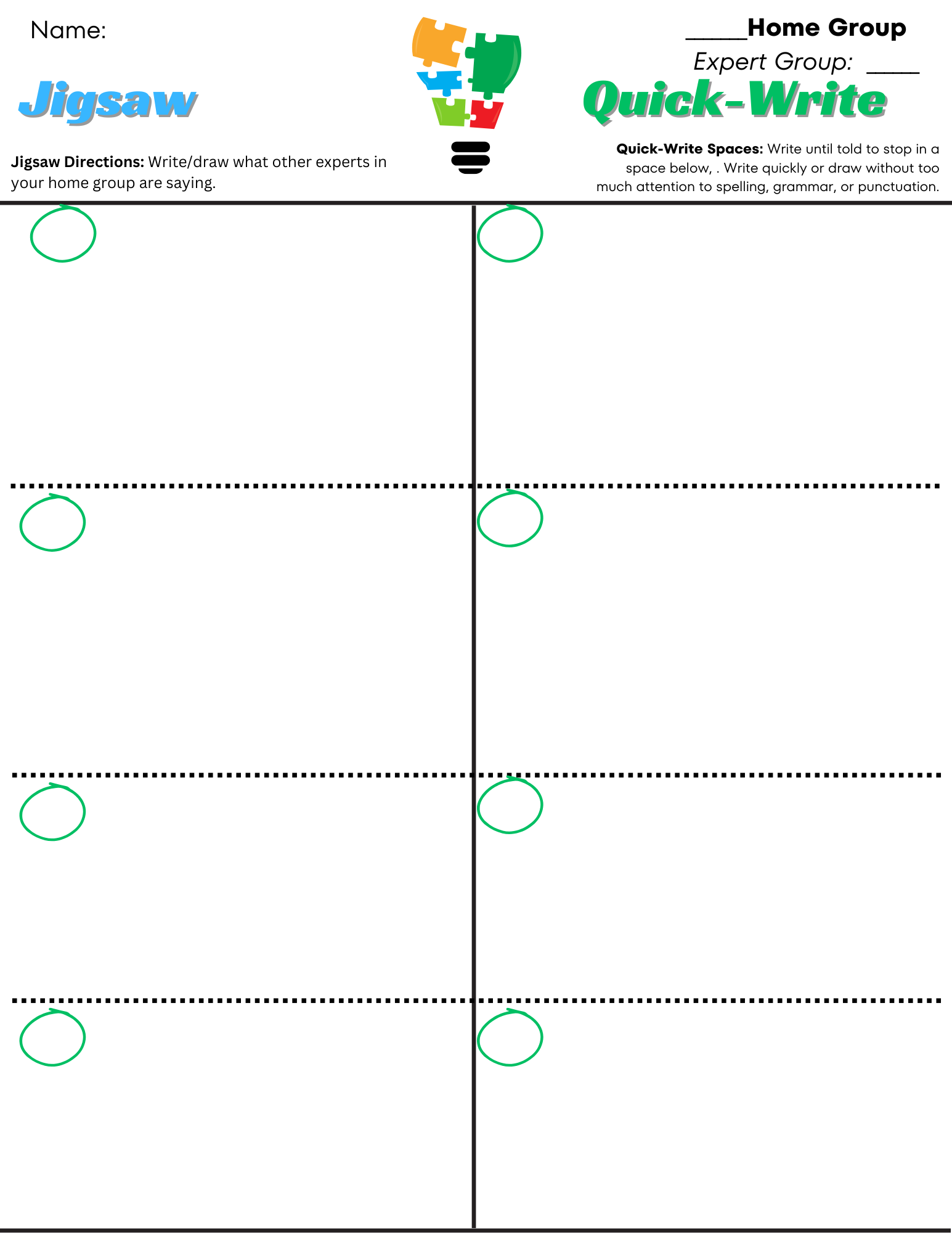
- Teach your chunk: Each person gets 2 minutes to explain their topic. Take notes on what everyone is saying on page 2 of the Jigsaw Organizer.
- Use your notes to clearly share the main points and help your group understand your part.
Activity #2: An AI Bot for You
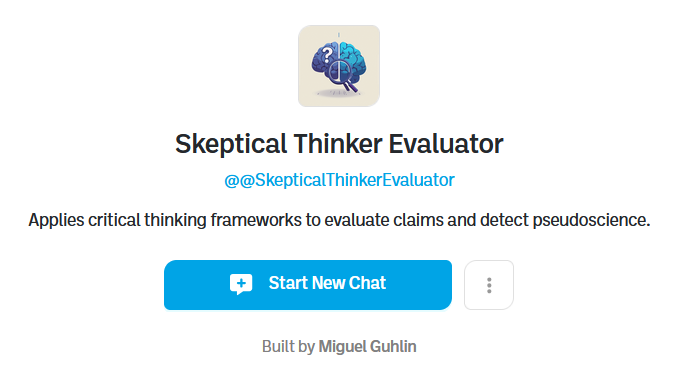
Access the Skeptical Thinker Evaluator
Try the Skeptical Thinking Evaluator, a custom GPT or Bot. You can use either one, but you will need to create a free account.
- ChatGPT Custom GPT version of Skeptical Thinking Evaluator
- BoodleBox version of Skeptical Thinking Evaluator
You will be prompted to create a free ChatGPT or BoodleBox account. Remember to STEER AI for Critical Thinking.

Explore These Scenarios
Let’s divide up into groups of two. With your partner, explore each of these short sample stories. Can you figure out how each would score using the framework indicated?
Need a refresher on what is in each Critical Thinking Framework? Click the links below:
- Try FLOATER on These:
- “A new miracle diet pill claims to help you lose 20 pounds in a week without any exercise or dietary changes. The pill’s creator, Dr. Slim, says it’s based on a secret formula.”
- “A recent study published in the Journal of Nutrition found that a balanced diet combined with regular exercise leads to sustainable weight loss. Researchers conducted a year-long study with 500 participants.”
- Try SIFT Method on these:
- “Celebrity X claims that drinking lemon water every morning cured their chronic illness.”
- “The CDC reports a 10% decrease in flu cases this year due to increased vaccination rates.”
- Try The Orwell Test:
- “A new political party claims they can eliminate taxes entirely without affecting public services.”
- “A bipartisan committee reports that infrastructure improvements have led to a 15% reduction in traffic congestion.”
Step Up the Difficulty Level: AI As a Socratic Tutor
Want to step up the difficulty? You can also flip the switch from having them evaluate claims according to a certain model to being a Socratic tutor to help you think through a model. To flip the switch, type “Active Learning Mode.”
Reflecting
What were your findings? Be prepared to share with the group.
Free Stuff

More Resources For Educators
- Thinking is Power is a TERRIFIC resource. Check out the posters available.
- Fill out an email form to get these Critical Thinking Cards, Fallacies and Biases wall posters, and more, from School of Thought. Shared under Creative Commons.
- Civic Online Reasoning has free lessons and videos.
- News Literacy Project’s Checkology
- CritiKid: Critical Thinking for Kids
Books
- Killer Underwear Invasion! by Elise Gravel
- Developing Digital Detectives: Essential Lessons for Discerning Fact from Fiction in the ‘Fake News’ Era by Jennifer LaGarde and Darren Hudgins
- Fact Vs. Fiction: Teaching Critical Thinking Skills in the Age of Fake News by Jennifer LaGarde and Darren Hudgins
- Two Truths and a Lie: It’s Alive! by Ammi-Joan Paquette, Laurie Ann Thompson, and Lisa K. Weber
- The Nantucket Sea Monster: A Fake News Story by Darcy Pattison and Peter Willis
- Want more resources? Explore this Wakelet by high school teacher, Julie Drewry. She does a wonderful job wrapping up stories and ideas, some of which I’ve included in this blog entry.
Discover more from Another Think Coming
Subscribe to get the latest posts sent to your email.
 Another Think Coming

[…] Critical Thinking Made Simple: The Jigsaw Version […]